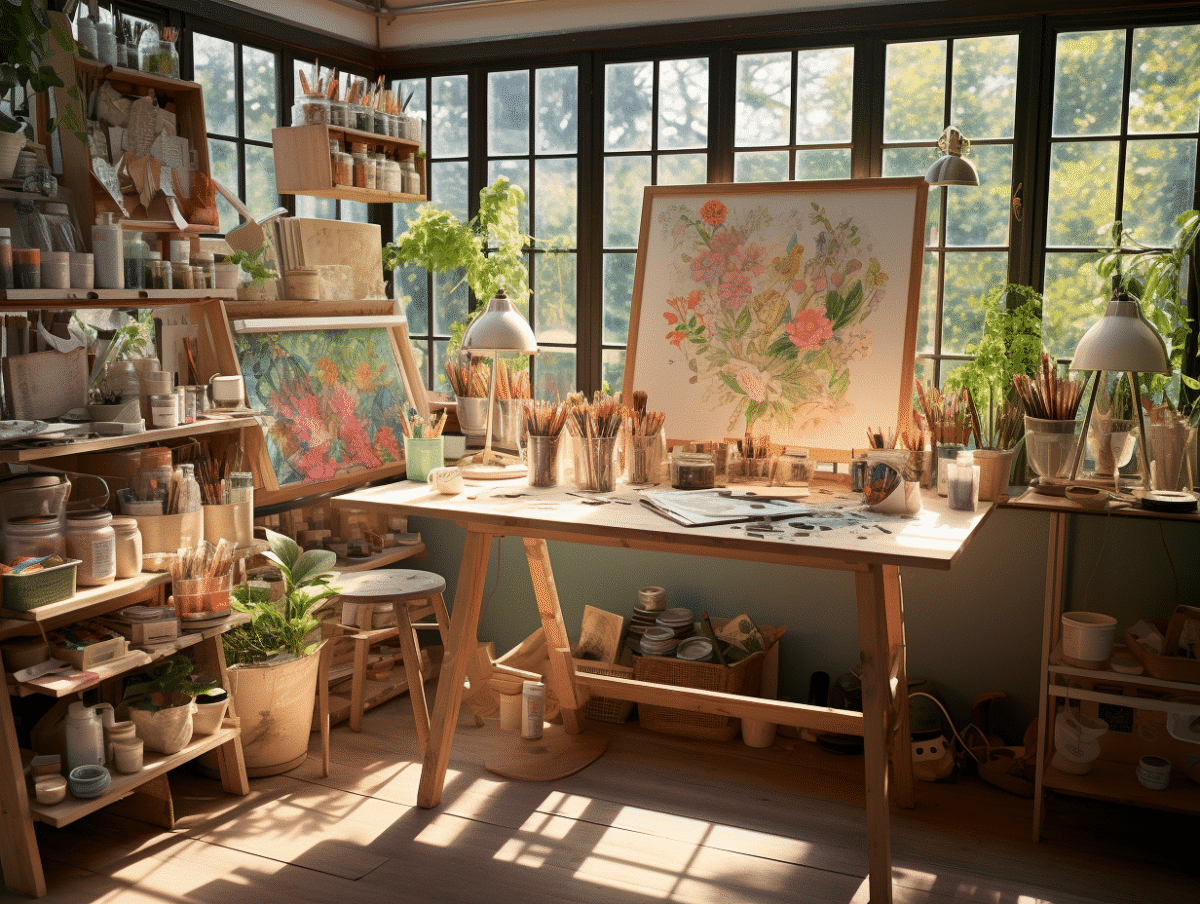
In the digital age, a comforting trend is emerging: a return to manual arts. Creative hobbies are experiencing a true surge, inviting a pause in the whirlwind of modern life. This rediscovery of the simple pleasures of manual creation is manifested in the rise of crafts, DIY (Do It Yourself), scrapbooking, pottery, and knitting. Craft workshops are multiplying, online tutorials are abundant, and communities of enthusiasts are forming, offering a space for expression and sharing. It is a quest for meaning, a need for authenticity, and a tangible connection with materials that motivates this revival.
Manual Arts in the Digital Age: A Growing Trend
In the heart of the digital revolution, creative hobbies are making a remarkable comeback, positioning themselves as a counterbalance to the omnipresent screens. Workshops for pottery, sewing, and calligraphy are proliferating, responding to a growing demand. The company Djeco, a specialist in games and activities for children, constantly renews its offerings to captivate young minds eager to indulge in the joys of manual creation. In Paris, drawing and painting classes for children are seeing increasing success, a sign that creativity knows no age and that the City of Light remains a bastion of art in all its forms.
The company L’Art des Choix, located in Annonay, offers a wide range of creative supplies and personalized framing services. This business illustrates the synergy between artisanal and ancestral techniques and contemporary needs for personalization and uniqueness. Creative leisure holidays, including activities such as flower arranging or sculpting, allow individuals to reveal the artist’s soul that lies within, while also providing undeniable cultural enrichment.
DIY, an acronym for ‘Do It Yourself’, stands as a symbol of this trend. It allows for the realization of interior decoration projects and other decor trends while reclaiming craft techniques. Rennes Information reports a notable increase in DIY and eco-construction workshops, attesting to the growing interest in hobbies that reconcile the manual and the ecological.
Creative hobbies are no longer just simple pastimes. They are becoming vehicles for learning and personal development. The enthusiasm for manual activities is such that even the most reluctant to traditional art find their place. Creative workshops offer an escape, a moment of relaxation where everyone, regardless of age, can immerse themselves in creation, far from the incessant digital distractions.
How Creative Hobbies Promote Well-Being and Creativity
At the intersection of psychotherapy and creativity lies art therapy. This healing method uses artistic expression as a means of achieving psychological and emotional well-being. Engaging in activities such as painting, modeling, or embroidery contributes to the improvement of physical and mental well-being. Indeed, these creative hobbies engage both body and mind in a creative process that can significantly reduce stress and promote a state of deep relaxation.
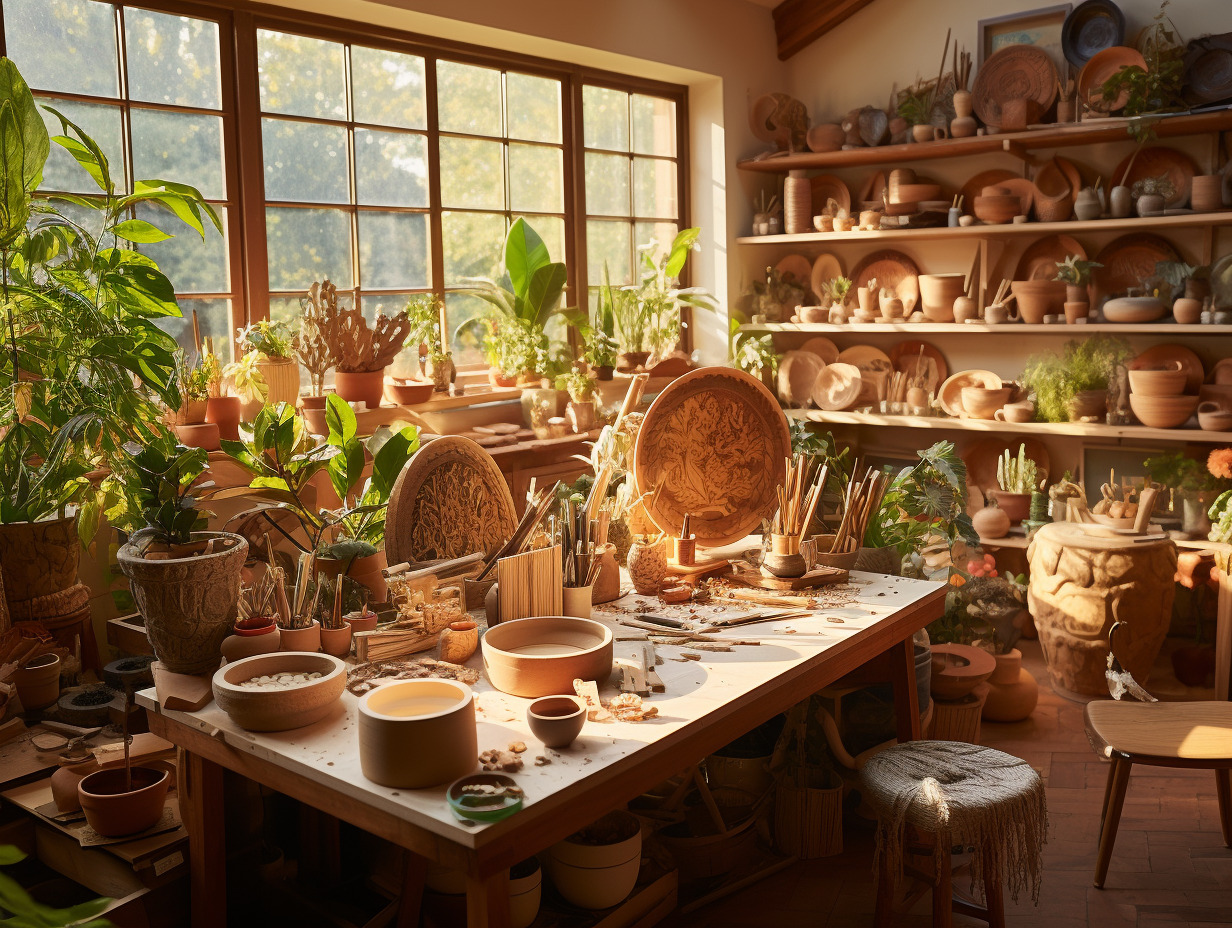
Creative hobbies also play a crucial role in developing fine motor skills and imagination. Manipulating brushes, molding clay, or weaving beads—all these activities require hand-eye coordination and stimulate the neural centers related to creativity. Individuals who regularly engage in these practices often report personal growth, as they see their ideas materialize into tangible works.
The creative process inherent in creative hobbies induces the release of endorphins, the happiness hormones. This biochemical reaction fosters the emergence of positive emotions, enhancing feelings of satisfaction and accomplishment. Each completed project becomes a source of pride, boosting self-esteem and confidence in one’s abilities.
Creative hobbies do not merely occupy hands and minds; they constitute a powerful therapeutic tool. They offer a space of freedom where everyone can explore and express their emotions without judgment, while also working towards improving their psychological well-being. Art therapy workshops are multiplying, recognizing the growing interest in these practices that benefit all levels of human experience.